

Digital Retinal Imaging vs. Dilated Eye Exams: What Diagnostic Technology Do You Really Need?
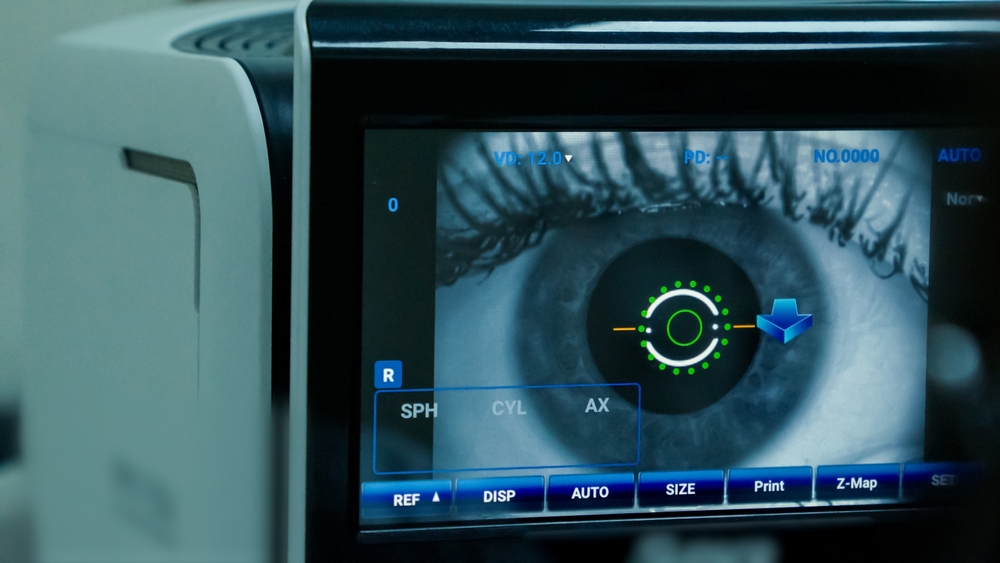
When it comes to protecting your vision, a comprehensive eye exam involves more than checking your prescription. At Vision Source, serving Lakewood Ranch and Parrish, FL, we use advanced diagnostic technology to evaluate eye health and identify potential concerns. Two important components of our examinations are digital retinal imaging and dilated eye exams. While both help us examine the inside of your eyes, they serve different purposes and work together to provide a more complete assessment.
What Is Digital Retinal Imaging?
Digital retinal imaging uses specialized cameras to capture detailed photographs of the retina, optic nerve, and blood vessels at the back of your eye. This technology helps us document your eye health and monitor changes over time.
At Vision Source, we incorporate digital retinal imaging into our comprehensive eye exams. These images provide valuable information that helps us identify potential abnormalities and track changes that may indicate developing eye conditions.
Digital retinal imaging offers several benefits:
Detailed Documentation: Captures images of important structures inside the eye.
Early Detection: Helps identify visible signs of certain retinal conditions before noticeable symptoms develop.
Progress Monitoring: Allows us to compare images from previous appointments.
Patient Education: Provides images we can review with you to explain our findings.
Efficient Testing: Captures retinal photographs quickly without using X-rays.
Although digital retinal imaging provides valuable diagnostic information, it does not replace every aspect of a dilated eye examination.
What Happens During a Dilated Eye Exam?
A dilated eye exam involves placing special drops in your eyes to temporarily enlarge your pupils. This allows our optometrists to examine the retina, optic nerve, and other internal structures more thoroughly.
Dilation is particularly important when evaluating conditions such as diabetic retinopathy, glaucoma, macular degeneration, and retinal tears.
Unlike retinal photography, dilation allows us to examine different areas of the eye directly, including peripheral retinal structures that may not be fully visible in standard photographs.
Patients visiting our Lakewood Ranch or Parrish offices should know that dilation can temporarily cause blurry near vision and increased sensitivity to light. These effects typically wear off within several hours.
Digital Retinal Imaging vs. Dilation: Do You Need Both?
One common misconception is that advanced retinal imaging eliminates the need for dilation. However, these procedures provide complementary information.
Digital retinal imaging creates a permanent photographic record, while dilation allows our optometrists to examine internal eye structures more thoroughly and assess findings that photographs alone may not reveal.
At Vision Source, we generally recommend both as part of a comprehensive eye examination. Depending on your symptoms, medical history, and examination findings, we may also recommend additional diagnostic testing.
Why Comprehensive Eye Exams Matter
Some eye diseases develop gradually without noticeable symptoms. Regular comprehensive eye exams allow us to evaluate your vision, monitor retinal health, and identify potential problems before they significantly affect your eyesight.
For patients in Lakewood Ranch and Parrish, combining modern retinal imaging with dilated eye examinations helps us make informed decisions about ongoing eye care.
If you're due for a comprehensive eye exam, contact Vision Source in Lakewood Ranch, FL, at (941) 739-5959 or our Parrish, FL, location at (941) 304-2015 to schedule your appointment and learn more about our diagnostic eye care services.

Managed and Designed by
