

What Your Meibomian Glands Reveal About Dry Eye
What Your Meibomian Glands Reveal About Dry Eye
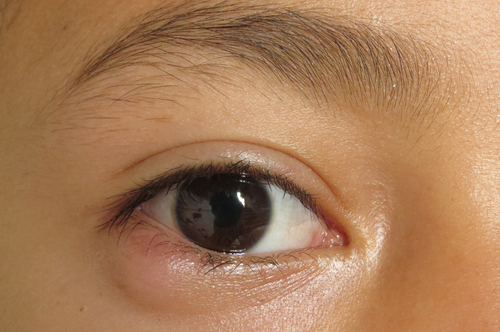
If the words on your screen go blurry and sharpen again when you blink, mention it at your next eye exam. A blink spreads a fresh layer of tears over your eye. When that layer breaks up too quickly, your vision can fluctuate. When we evaluate dry eye in Lakewood Ranch and Parrish, we check the tiny oil glands inside the eyelids for clues to why your tears break up.
Why Your Eyes Can Water and Still Feel Dry
Your upper and lower eyelids contain meibomian glands. These glands release oil through small openings just behind your lashes. With each blink, the oil spreads over the watery part of your tears and helps slow evaporation.
If the oil thickens or the openings become blocked, less oil reaches the surface of your eyes. This is a common form of meibomian gland dysfunction (MGD). Your eyes may sting or feel gritty as tears evaporate. Irritation can then trigger a rush of watery tears. That’s why your eyes might water in an air-conditioned room even while they feel dry.
What We Look for During a Dry Eye Evaluation
To understand whether MGD is contributing to your symptoms, we look at how the glands are shaped, what comes out of them, and how your tears behave between blinks.
Oil flow. Gentle pressure on the eyelid helps us see whether clear oil flows easily, thicker oil comes out slowly, or very little oil appears.
Gland structure. We use the OCULUS Keratograph 5M to take images of the glands, a technique called meibography. The images can show shortened glands or gaps where gland tissue has been lost.
Tear stability. We check how long the tear film stays smooth after a blink. If it breaks up quickly, we consider that finding alongside the images, oil flow, and amount of tears you produce.
How the Findings Guide Your Care
If we find thick oil that’s difficult to release, we may show you how to use a warm compress to soften it. If blockages persist, we can discuss whether an in-office treatment that uses heat and gentle pressure makes sense for you. Some people also produce too little of the watery part of their tears. If we find low tear volume as well, we may recommend lubricating drops along with eyelid care.
If burning, watering, or on-and-off blur keeps interrupting your day, schedule a dry eye evaluation with Vision Source. Call us in Lakewood Ranch, FL at (941) 739-5959 or in Parrish, FL at (941) 304-2015.

Managed and Designed by
